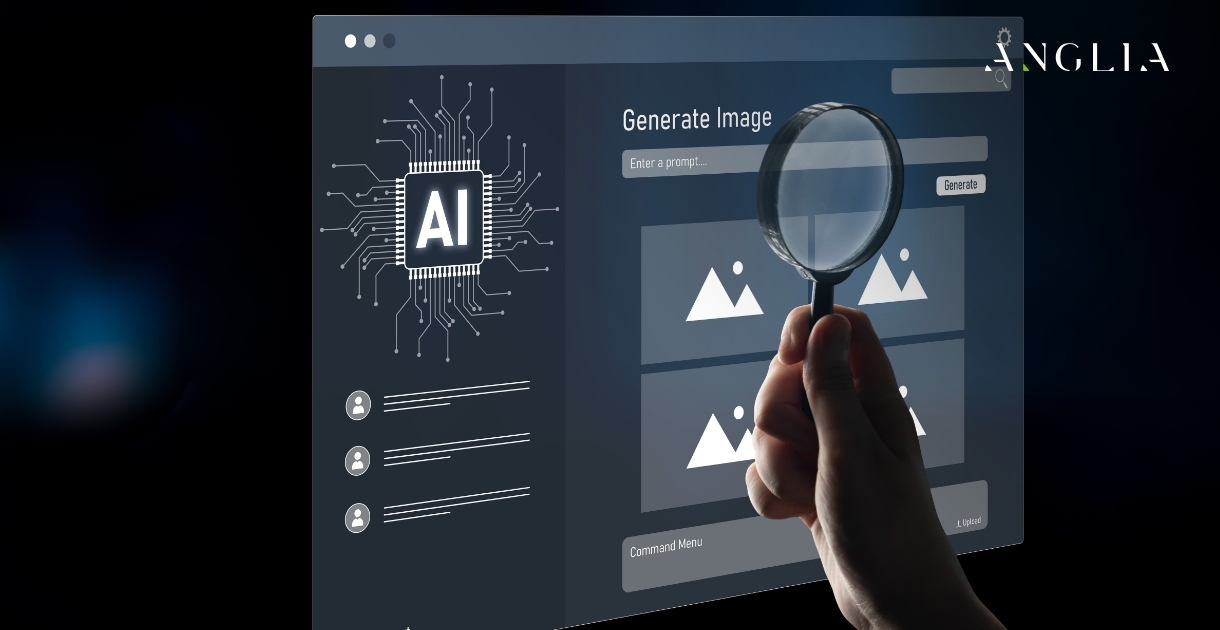

Since generative AI reached the mainstream in late 2022, the pace of change has been hard to ignore. Tools that once seemed experimental now write code, summarise pages, answer customer questions and sit inside search results. For website owners the effect is not one single disruption but three shifts at once: how websites are made, how people find them and how visitors use them. Understanding each shift makes it easier to decide what to change on your own site and what to leave alone. This article traces those shifts in plain language and explains what they mean for design decisions today.
How Websites Are Built Has Changed
AI coding assistants and design generators have made first drafts dramatically faster. Developers can scaffold layouts, write routine functions and test ideas in a fraction of the old time, a trend we explored in how AI coding is changing website design and how AI is transforming development. The role of the developer is shifting from typing every line to reviewing, testing and making architectural decisions, which is why articles such as should web designers be worried reach a measured conclusion. Faster drafts do not remove the need for judgement: generated code still has to be secure, maintainable and consistent with your brand. The practical result is that prototypes arrive sooner, while quality control matters more than ever.
How People Find Websites Has Changed
Search is no longer only a list of blue links. AI-generated summaries and conversational assistants now answer many questions directly, so visitors may read an answer about your industry before they ever click through. This is why generative engine optimisation, or GEO, has joined traditional SEO; see our introductions to generative engine optimisation and adapting to conversational search, plus the FAQ on Google AI Overviews. The design implications are concrete. Pages need clear headings, direct answers, visible expertise and structured data, as described in structuring content for AI-powered search and schema markup. Many businesses are also adding clear author details, case studies and consistent company information so that AI systems have reliable material to quote; our articles on citable case studies and brand consistency explain why. Clicks that do arrive are often from better-informed visitors, so the page must earn trust quickly. Our comparison of AI Overviews and traditional search explains the trade-offs.
How Visitors Use Websites Has Changed
Expectations have moved too. People now meet conversational interfaces everywhere, so they expect to ask a site a question and get a useful answer, which is where assistants and smarter search come in; see AI assistants and personalised browsing and predictive web design. Personalisation is becoming normal as well, as discussed in hyper-personalisation through AI, although it must be balanced against privacy. A further change is that AI tools increasingly read websites on behalf of users, which rewards clean structure, fast loading and clear labels over decorative complexity. A site that is easy for people to scan is usually easy for machines to understand too. Voice and image-based queries are growing as well, so descriptive headings, alt text and plain wording are worth the effort, and mobile layouts must work for people who skim quickly between apps.
What Has Not Changed
Some fundamentals are as important as before. Trust, clarity, speed, accessibility and security still decide whether a visitor stays or leaves. Brand personality still comes from people, which is the argument of the human and AI hybrid and of human creativity meets machine precision. Content produced carelessly by AI can harm rankings and credibility, as covered in AI-generated content risks and opportunities, and responsible use raises the ethical questions in the ethics of AI design. In short, AI changes the tools and the channels, not the need for a website that is honest, useful and well made. A good test is simple: if a page would still be useful with no AI involved, it is probably built on solid foundations.
So what should you do now? Audit your key pages for clear structure and direct answers, add FAQs and structured data, keep the site fast and accessible, and use AI to assist your team rather than replace its voice. Our own approach is described in GEO in ANGLIA's website design, and the GEO FAQ answers common questions. ANGLIA has built websites for 20+ years across 5,000+ projects, and our web design service now includes AI-era thinking by default. If you would like your site reviewed, get in touch through our contact page.