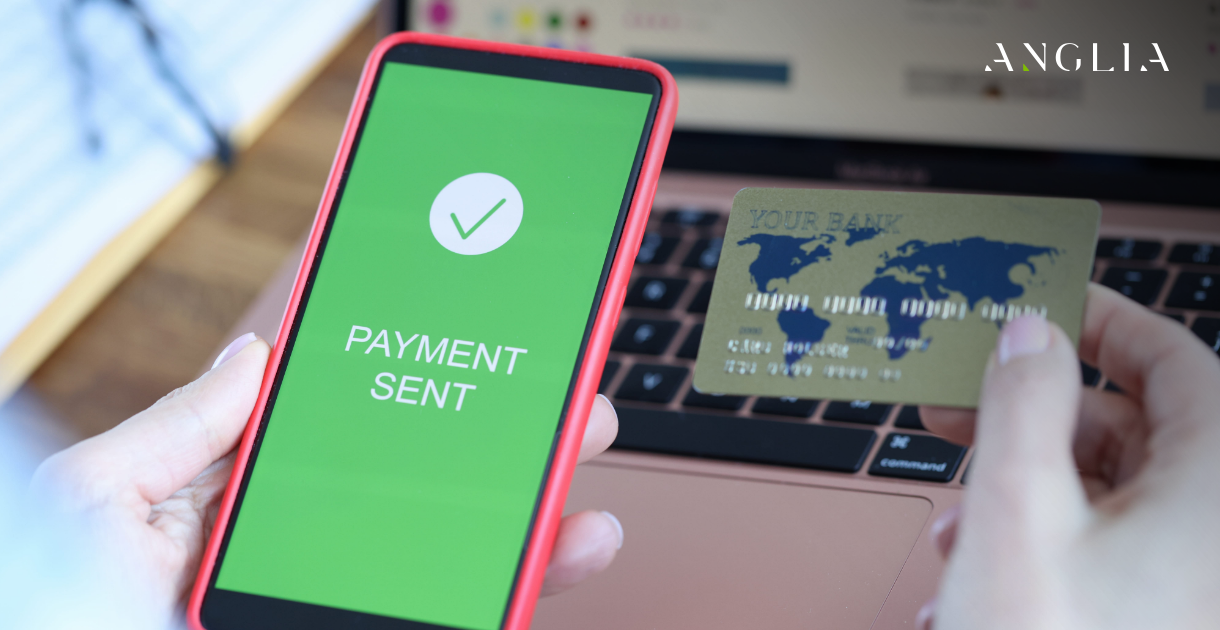

Behind every successful online purchase lies a sophisticated payment gateway silently processing the transaction. At ANGLIA, we often explain to clients that these systems function as digital bridges between merchants, banks, and customers. Understanding how they operate helps businesses optimize their checkout experiences and reduce cart abandonment rates significantly.
A payment gateway performs multiple critical functions within seconds. It encrypts sensitive data, routes information to appropriate processors, and returns authorization responses. For e-commerce platforms, choosing the right gateway affects everything from transaction fees to customer trust. Some businesses prioritize international capabilities, while others focus on integration simplicity with existing website design infrastructures.
The technical architecture varies between providers. Modern gateways offer APIs that enable seamless embedding within custom applications, including mobile applications. They handle complex compliance requirements like PCI DSS standards, relieving merchants from managing these burdens internally. Many financial service providers now demand robust gateway integrations to ensure regulatory adherence across jurisdictions.
Beyond basic processing, advanced gateways provide valuable analytics. Transaction data reveals customer behaviors, peak purchasing times, and geographic trends. This intelligence informs marketing strategies and inventory planning. When integrated through professional system development, these insights become actionable business intelligence. If your current payment infrastructure lacks visibility, consult our technical specialists to explore modernization options.