Discover how ERP systems streamline business operations by integrating finance, inventory, HR, and customer management into unified platforms.
FAQ
ERP Systems FAQ
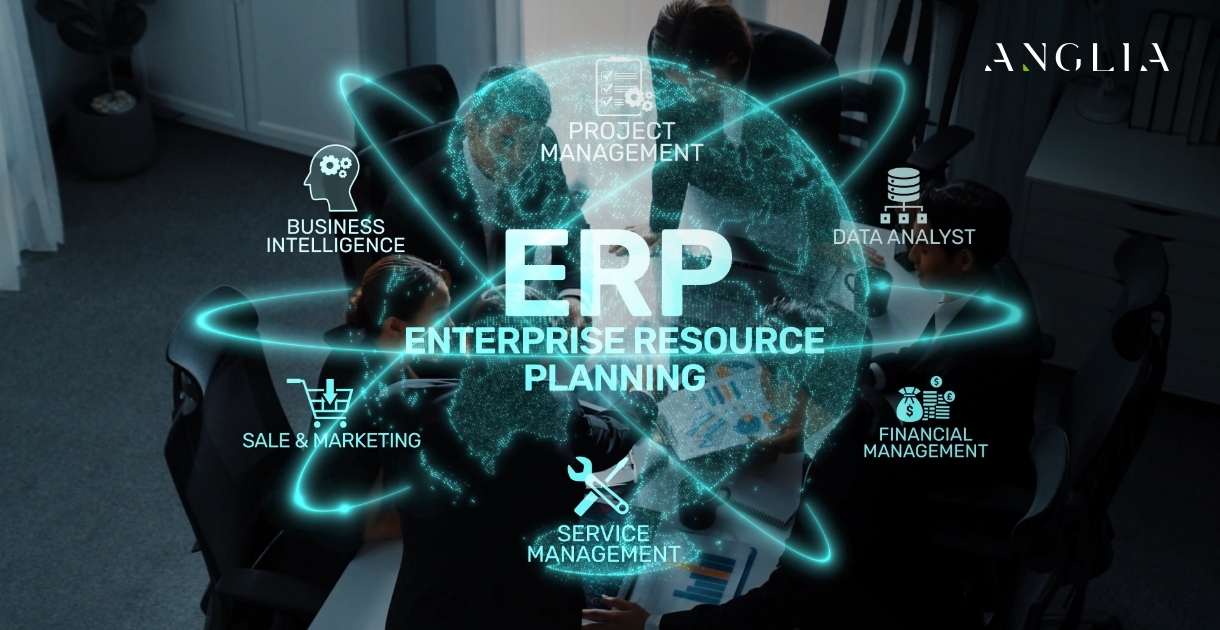

ERP Systems FAQ
What is an ERP system?
An ERP system integrates core business processes like finance, inventory, HR, and sales into a single unified software platform.
Why do businesses need ERP systems?
ERP systems eliminate data silos, improve efficiency, provide real-time insights, and support better decision-making across departments.
Can small businesses use ERP systems?
Yes, many ERP solutions offer scalable packages designed specifically for small and medium-sized businesses with limited budgets.
What modules are included in ERP systems?
Common modules include finance, accounting, inventory, procurement, HR, CRM, manufacturing, and supply chain management.
What is the difference between cloud and on-premise ERP?
Cloud ERP is hosted remotely with subscription pricing, while on-premise ERP runs on company servers with higher upfront costs.
Can ERP systems integrate with existing software?
Yes, modern ERP systems offer APIs and connectors to integrate with e-commerce platforms, accounting software, and other business tools.
How do ERP systems improve productivity?
ERP automates routine tasks, reduces manual data entry, eliminates duplication, and provides instant access to accurate business information.
What challenges come with ERP implementation?
Common challenges include data migration, user training, process changes, resistance to change, and ensuring proper system configuration.