A single security breach can cost you customer trust, data, and search rankings overnight. This FAQ explains how SSL certificates and solid security practices keep your website, your customers, and your reputation safe.
FAQ
How Does Website Security and SSL Protect Your Business Online?

How Does Website Security and SSL Protect Your Business Online?
What is an SSL certificate and why does my website need one?
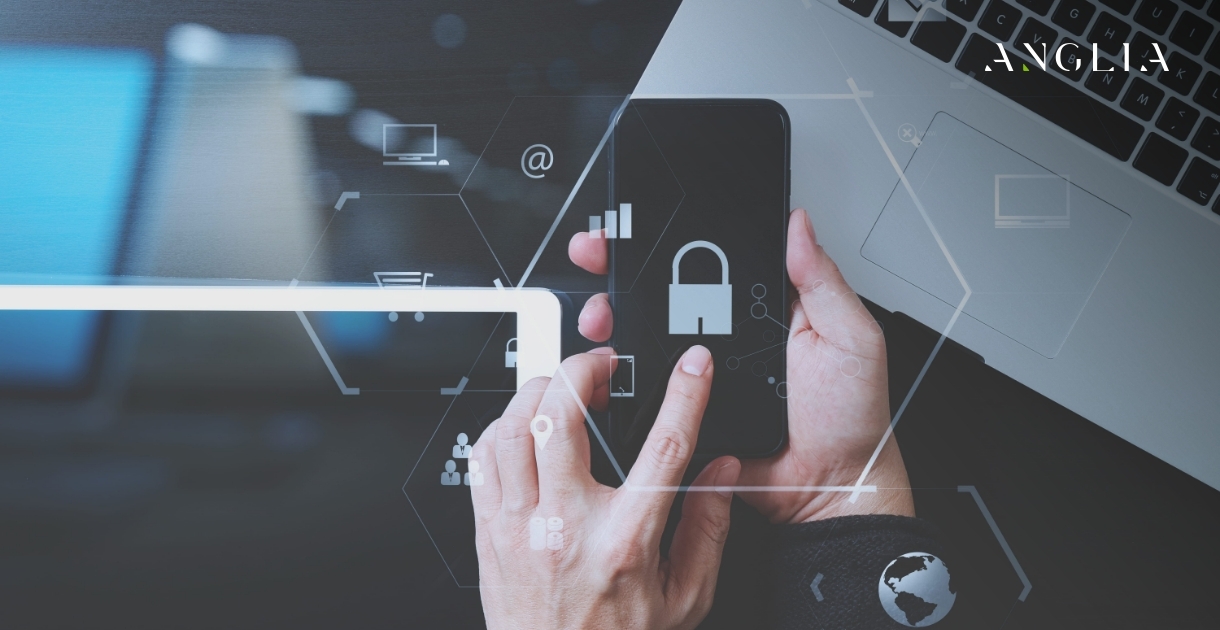
An SSL certificate encrypts data between your site and visitors, enabling the secure HTTPS connection and padlock icon. Without it, browsers flag your site as "Not Secure," scaring visitors away.
How does website security affect my SEO?
Google uses HTTPS as a ranking signal and favors secure sites. A site without SSL or one flagged for malware ranks lower and may be blocked with warnings, cutting your traffic.
What are the most common website security threats?
Common threats include malware, phishing, brute-force login attacks, SQL injection, and DDoS attacks. Outdated software and weak passwords are the most frequent entry points for hackers.
How can I protect my website from hackers?
Keep software and plugins updated, use strong passwords with two-factor authentication, install SSL, and run regular backups. A web application firewall and malware scanning add further protection.
Do I need SSL if my website doesn't sell anything?
Yes. Even without transactions, SSL protects contact forms, logins, and visitor data. Browsers mark all non-HTTPS sites as "Not Secure," which damages trust regardless of what you sell.
How often should I back up my website?
Backup frequency depends on how often your site changes—daily for active e-commerce or blogs, weekly for static sites. Automated, off-site backups ensure quick recovery after any incident.
What happens if my website gets hacked?
A hacked site may be defaced, used to spread malware, or blocklisted by Google. This damages your reputation, loses traffic, and can take significant time and effort to clean and restore.
Are there different types of SSL certificates?
Yes. Domain Validation (DV) is basic and quick, Organization Validation (OV) verifies your business, and Extended Validation (EV) offers the highest trust level. The right type depends on your site's needs.
How do I know if my website is secure?
Look for the padlock icon and HTTPS in the address bar. Security scanning tools can check for vulnerabilities, outdated software, and malware, confirming your protection is up to date.