Educational websites serve unique purposes—connecting students, parents, and faculty while showcasing institutional values and achievements. This FAQ covers essential features, design considerations, and implementation strategies for schools, universities, and training centers.
FAQ
What Website Details Is Important In Educational Websites?
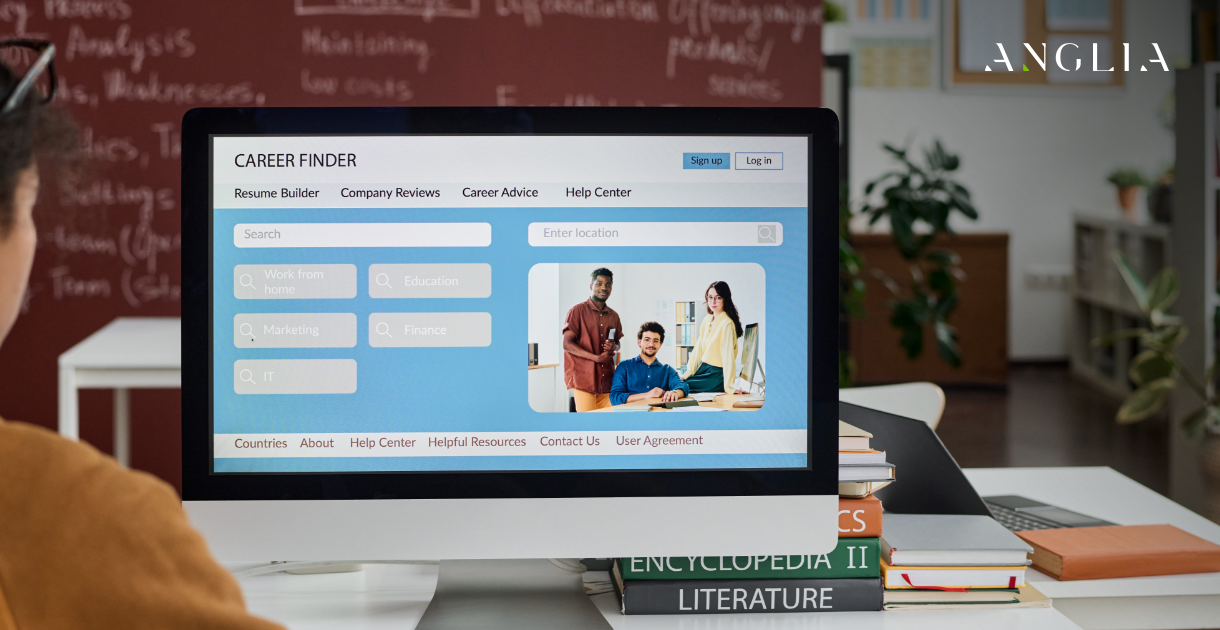

What Website Details Is Important In Educational Websites?
What essential features should every educational website include?
Essential features include course catalogs, faculty directories, event calendars, admission information, and parent/student portals. Modern educational websites also need mobile responsiveness, accessibility compliance, and integration with learning management systems. Clear navigation helps diverse audiences find information quickly.
How can school websites improve parent engagement?
Parent engagement improves through dedicated portals with grade access, attendance tracking, and direct messaging with teachers. Regular newsletters, event notifications, and volunteer opportunity listings keep families informed and involved. Well-designed school websites make parent-teacher communication seamless and efficient.
What security considerations are important for educational websites?
Educational sites handle sensitive student data requiring robust security measures. Essential protections include SSL encryption, secure login systems, regular backups, and compliance with data privacy regulations like GDPR. Custom security solutions protect student information while maintaining usability.
How should universities structure their website navigation?
University websites should organize content by audience—prospective students, current students, faculty, alumni, and researchers—rather than by department. Clear pathways to admissions, academics, research, and campus life help visitors find relevant information. Effective university sites balance comprehensive information with intuitive navigation.
What role does mobile optimization play in educational websites?
Mobile optimization is critical since students and parents increasingly access information via smartphones. Mobile-friendly course registration, grade checking, and announcement viewing improve user experience. Responsive educational websites ensure 24/7 access to important academic information.
How can educational institutions showcase their achievements online?
Achievement showcasing includes alumni success stories, research publications, award displays, and student work galleries. Virtual campus tours, video testimonials, and interactive infographics bring institutional strengths to life. Strategic educational websites turn accomplishments into compelling recruitment tools.
How often should educational websites be updated?
Content should be reviewed monthly, with immediate updates for calendar changes, policy updates, or emergency announcements. Design refreshes every 3-4 years keep sites modern and functional. Regular maintenance ensures educational websites remain secure, fast, and relevant.
What accessibility standards should educational websites meet?
Educational websites should comply with WCAG 2.1 Level standards, ensuring students with disabilities have equal access. This includes screen reader support, keyboard navigation, captions for videos, and readable fonts. Accessibility compliance is both a legal requirement and an ethical obligation for educational institutions.
How can ANGLIA help with educational website projects?
ANGLIA specializes in educational website design, serving schools, universities, and training centers across Hong Kong. Our services include stakeholder consultation, custom design, CMS integration, security implementation, and ongoing support. We understand the unique needs of academic institutions and deliver solutions that enhance learning experiences.