
A website that isn't secure doesn't just risk downtime — it risks customer trust, sensitive data, and sometimes real financial loss. Security tends to get treated as an afterthought by cheaper web design services, bolted on right before launch instead of built in from the start. At ANGLIA, it's part of the foundation of every project, not a checkbox ticked at the end.
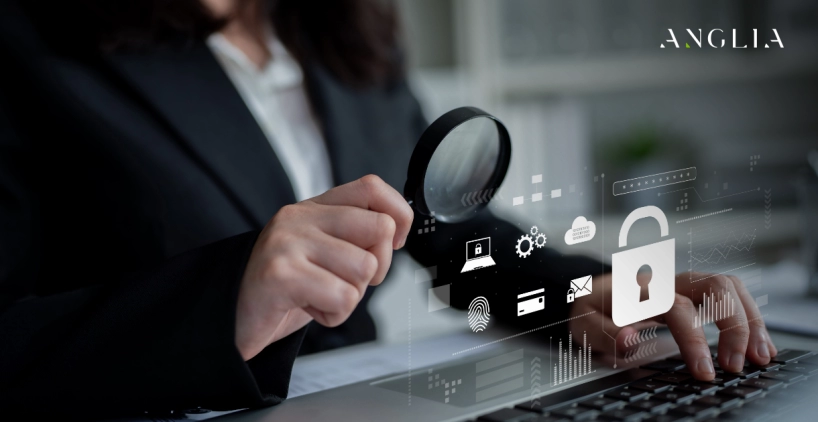
The most visible piece is the SSL certificate — the small padlock icon next to a web address that signals encrypted, trustworthy communication between a visitor's browser and your server. Without it, browsers actively flag a site as "not secure," which quietly scares off visitors before they've even read a word of your content. Beyond just having SSL installed, it needs to be configured correctly and renewed on schedule, which is easy to overlook if a company treats it as a one-time setup rather than an ongoing responsibility.
SSL is only one layer, though. A properly secured site also needs protection against more common threats: outdated software with known vulnerabilities, weak admin credentials, and unmonitored plugins or third-party integrations. This is where a solid content management system (CMS) matters — one that gets patched and updated regularly rather than left running old, exploitable code for years. Reliable hosting plays a role too, since the server environment underneath your site affects how well it's protected against attacks and how quickly it recovers if something does go wrong.
Security matters even more for certain industries. Financial services sites often handle sensitive account information and need to reassure visitors that their data is genuinely protected, not just presented as secure. E-commerce and donation sites face a similar bar, since payment details are involved directly — which is why we treat things like data encryption, secure checkout flows, and regular backups as standard practice rather than premium add-ons.
Backups deserve their own mention. Even with strong security, things occasionally break — a bad update, a hosting issue, or human error during an edit. Regular, tested backups mean a site can be restored quickly rather than rebuilt from scratch, which matters a lot more than it sounds like until the day you actually need one.
None of this is a one-time setup. Threats evolve, software ages, and a site that was secure at launch can quietly become vulnerable a year or two later if nobody's watching. Part of our ongoing web design and maintenance work involves monitoring for issues, applying updates, and flagging risks before they become real problems — the same approach we've refined across over 20 years and 5,000-plus projects, many of which continue under our ongoing support long after launch.
Good security is mostly invisible when it's working — visitors never notice the padlock, the patched vulnerability, or the backup that never had to be used. That's exactly the point. Contact us to talk about building security into your next website project from the ground up.